


We leverage insights from research and practice to
understand the relationship between communication and violence. We use this knowledge to build an active peace.

Media Guides: Covering Political Violence
Community Resilience in the 2026 Elections: Supporting our Neighbors in the Face of Threatened Federal Interference
Reconstruction Revisited: Confronting an Unfinished Chapter

Today Is a Good Day Campaign

Templates for Action: Good Neighbor Bingo Cards

Stories of Belonging in Real Life
Digital Male Supremacy: Online Narratives Before, During, and After the 2024 Election
Finding Belonging: Key Opportunities for Greater Well-Being and Action
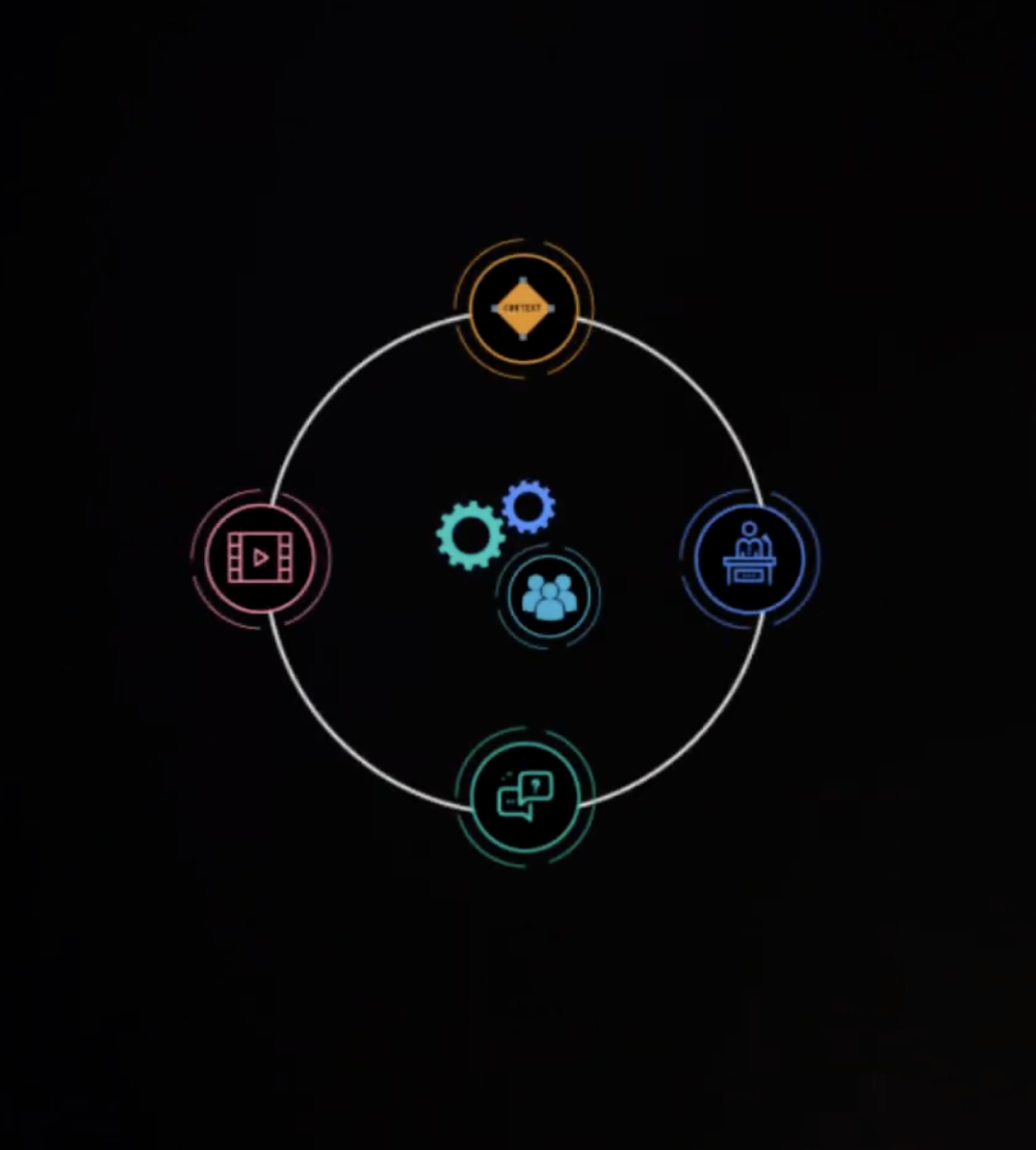
Communication Design Tools
A process that allows us to leverage contextual and audience-specific insights to design more impactful communications campaigns and interventions.
(En)Gendering Authoritarianism
This report explores how political and cultural leaders weaponize narratives and policies on gender identity, women’s rights, and sexuality to advance authoritarianism.
Tools for Meeting the Moment
Globally, authoritarianism has been on the rise, but history teaches there are many ways we can rise to meet this moment. Here is a suite of tools for preventing, defusing, and responding to threats to democracy and peace.
Un-labeling and Unlocking our Shared Humanity: An Expert Interview with Dr. Anna Szilágyi
The Belonging Barometer: The State of Belonging in America
The Belonging Barometer report calls attention to belonging as a critical dimension of life that should matter to all stakeholders who seek to improve America’s physical, social, civic, and democratic well-being.
Decoding LGBTQ Scapegoating & Communications Guidance
This report explores the connection between two escalating crises: the systematic targeting of LGBTQ communities and democratic backsliding worldwide.
A Refresher on Narratives & Violence
This refresher guide focuses on Over Zero’s core area of expertise: Unpacking the narrative patterns and underlying psychosocial dynamics that precede and occur throughout identity-based violence. We release it in the wake of Hamas’ October 7 attack on Israel and the Israeli government’s ongoing assault on Gaza, and hope that it is a very small contribution in supporting partners who are leading their communities in finding a different way forward.

Towards Non-Recurrence: Accountability Options for Trump-Era Transgressions
In partnership with Protect Democracy, Laura Livingston co-authored Towards Non-Recurrence: Accountability Options for Trump-Era Transgressions. Borrowing from historical case studies and transitional justice frameworks, this paper explores the various considerations and tradeoffs that should inform whether and how the U.S. pursues accountability for wrongdoing that occurred during the Trump administration.

“Violence-Proofing U.S. Democracy: Immediate Priorities for Philanthropy”
This working paper for philanthropy, written with our partners New America and Thought Partnerships, briefly summarizes current trends that, in light of global experience, suggest heightened risks of violence. Against this worrisome backdrop, we propose six funding strategies and specific recommendations to integrate violence prevention and mitigation into existing strands of work on polarization, institutions, or justice issues.
“Understanding the Context Around Content: Looking behind Misinformation Narratives” for the National Endowment for Democracy
In this paper for the National Endowment for Democracy, Laura Livingston highlights the offline, contextual dynamics that contribute to the resonance, spread, and impact of online misinformation, and implications for civil society responses.
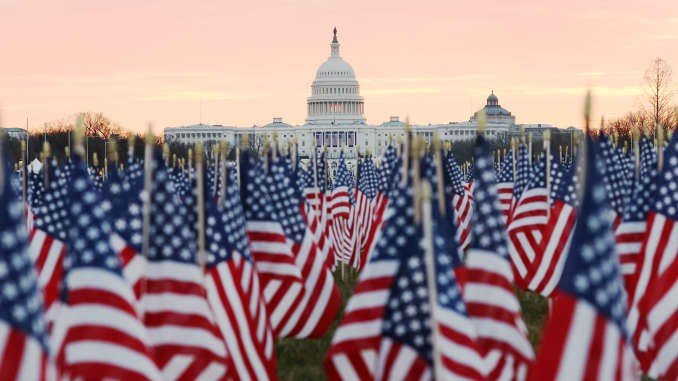
“Political Violence in 2021: How did we get here? How do we move forward” for PACE
In this guest blog post for Philanthropy for Active Civic Engagement (PACE), Laura Livingston and Rachel Brown provide an overview of the vulnerabilities that brought us to January 6 and urgent priorities for philanthropy in stemming future risks for political violence.
“Affirming democracy and mitigating violence in a time of insurrection” for PACE
In the immediate wake of the January 6th insurrection, Dr. Nichole Argo, Rachel Brown, and Samantha Owens sat down with PACE to discuss what civil society groups and funders can do to mitigate the possibility of political violence in the immediate-term as well as near- and longer-term scenarios.